
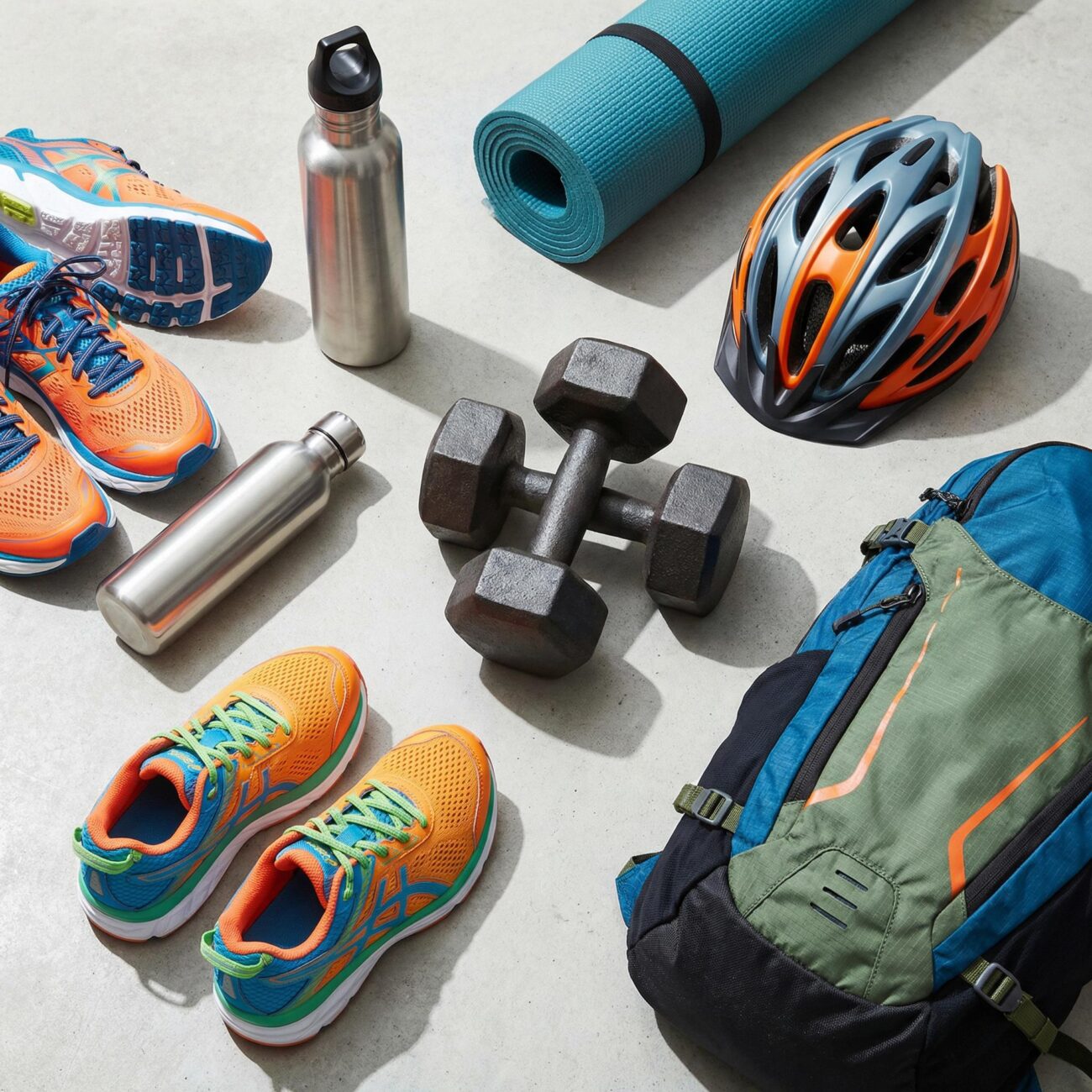
Choosing the right sports equipment can make your workouts and sporting activities more comfortable, practical, and enjoyable. Whether you are starting a gym routine, practicing yoga, cycling, playing cricket or football, or simply looking for fitness equipment, the right gear depends on your activity, experience, space, and budget.
Before buying sports equipment, consider the following factors.
1.Choose Equipment Based on Your Activity
Start by deciding what activity you will use the equipment for.
Gym
Common equipment includes:
- Dumbbells
- Resistance bands
- Benches
- Exercise mats
- Training accessories
Yoga
Consider:
- Yoga mats
- Yoga blocks
- Yoga straps
- Comfortable accessories
Cycling
Important equipment can include:
- Bicycle
- Helmet
- Cycling gloves
- Water bottle
- Lights and safety accessories
Cricket
Common equipment includes:
- Cricket bat
- Cricket ball
- Batting gloves
- Pads
- Helmet
- Cricket shoes
Football
Consider:
- Football
- Football boots
- Shin guards
- Goalkeeper gloves
- Training equipment
General Fitness
Popular equipment includes:
- Resistance bands
- Dumbbells
- Skipping ropes
- Exercise mats
- Foam rollers
2
Choose the Right Size and Fit
Size and fit are important for comfort and safe use.
For equipment such as helmets, shoes, gloves, protective gear, and clothing, check the manufacturer’s sizing information before purchasing.
For larger equipment, also consider your available space.
A product that looks suitable online may not be practical if it doesn’t fit comfortably in your room or training area.
3
Check the Material and Build Quality
Sports equipment is often used regularly, so durability matters.
Before buying, check:
- Materials used
- Construction quality
- Weight capacity where applicable
- Grip and comfort
- Finish and stitching
- Manufacturer information
Don’t choose equipment only because it is cheap. A durable product can provide better long-term value.
4
Consider Your Skill Level
The right equipment for a beginner may not be the same as the right equipment for an experienced athlete.
Beginners
Focus on simple, comfortable, and easy-to-use equipment.
Intermediate Users
Look for equipment that allows you to progress as your skills improve.
Advanced Users
Consider performance-focused equipment with specifications suitable for your training or sport.
Choose equipment that matches your current ability instead of buying professional-level gear that you may not need.
5
Think About Safety
Safety should be a priority when buying sports equipment.
For activities involving impact or falls, consider appropriate protective equipment.
Depending on the activity, this may include:
- Helmets
- Shin guards
- Protective pads
- Gloves
- Proper footwear
Make sure safety equipment fits correctly and follow the manufacturer’s instructions for use.
6
Check Comfort and Usability
If equipment is uncomfortable, you may be less likely to use it regularly.
Look for:
- Comfortable materials
- Good grip
- Suitable weight
- Easy adjustment
- Proper fit
- Simple operation
For home fitness equipment, also consider whether it is easy to store after use.
7. Consider Your Space
Space is particularly important for home fitness equipment.
Before buying larger equipment such as benches, exercise bikes, or treadmills, measure the available area.
Also leave enough space around the equipment for comfortable and safe movement.
For smaller homes, compact or foldable equipment can be more practical.
8. Set a Realistic Budget
Sports equipment is available at many price points.
Instead of choosing the cheapest or most expensive option, compare:
- Quality
- Features
- Durability
- Warranty
- Brand reputation
- Price
Start with essential equipment and add more products as your needs develop.
9.Compare Products Before Buying
Don’t purchase the first product you find.
Compare multiple options based on:
- Features
- Size
- Material
- User requirements
- Price
- Warranty
- Return policy
Also check current retailer information before purchasing because prices and availability can change.
10. Check Reviews and Product Information
Customer reviews can help you understand how a product performs in everyday use.
However, don’t rely on ratings alone.
Look for consistent feedback about:
- Durability
- Comfort
- Fit
- Performance
- Ease of use
- Quality
Also check the manufacturer’s specifications before making a final decision.
Sports Equipment for Different Activities
Gym
Choose equipment based on whether your goal is strength training, cardio, flexibility, or general fitness.
Yoga
Prioritize comfort, grip, thickness, and portability when choosing a yoga mat or accessories.
Cycling
Focus on the correct bicycle size, helmet fit, comfort, and essential safety equipment.
Cricket
Consider bat size and weight, protective equipment, footwear, and your playing level.
Football
Choose footballs, boots, shin guards, and other equipment according to your playing surface and skill level.
Fitness
Start with versatile equipment that can support several types of workouts rather than buying many products immediately.

Leave a comment