
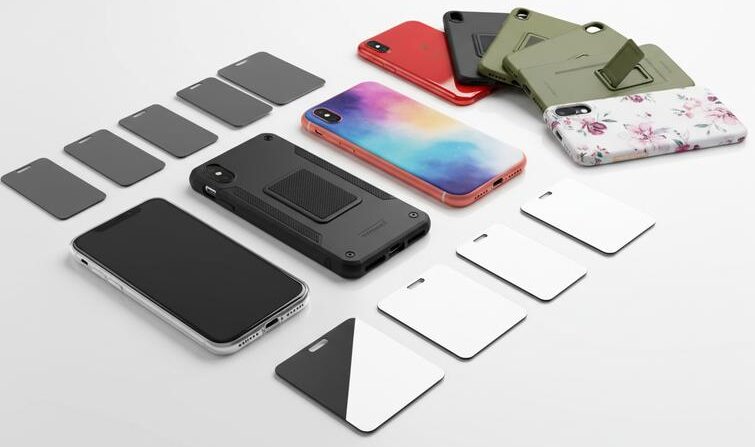
A good phone case can help protect your smartphone from scratches, bumps, and everyday wear. But choosing the right case is not only about color or design. The case should fit your exact phone, provide the right level of protection, and be comfortable to use.
Before buying a phone case, consider these seven important factors.
1. Choose the Correct Phone Model
The first thing to check is compatibility.
Phone cases are designed for specific models because different phones can have different:
- Dimensions
- Camera layouts
- Button positions
- Charging ports
- Speaker locations
Always check the exact phone model and generation before purchasing.
A case that looks similar may not fit your phone correctly.
2
Decide How Much Protection You Need
Think about how you normally use your phone.
Slim cases
Good for users who want:
- Lightweight protection
- Easy pocket storage
- A minimal design
Rugged cases
Better for users who:
- Frequently drop their phone
- Travel often
- Work outdoors
- Need stronger impact protection
Everyday cases
A medium-protection case can provide a good balance between protection, size, and comfort.
Choose the protection level based on your lifestyle rather than simply buying the thickest case available.
3
Check the Material and Grip
Phone cases are made from different materials, including silicone, TPU, plastic, and leather or leather-style materials.
The material can affect:
- Grip
- Durability
- Weight
- Appearance
- Comfort
If your phone often feels slippery, look for a case with a textured or soft-touch surface.
A comfortable grip can also make one-handed phone use easier.
4
Look for Camera Protection
Modern smartphones often have cameras that extend from the back of the device.
A good case should provide some protection around the camera area.
Look for a raised edge or camera cutout that helps prevent the camera lenses from directly touching surfaces.
This is particularly useful when placing your phone on tables or other hard surfaces.
5
Consider Screen Protection
Some phone cases have slightly raised edges around the display.
These edges can help reduce direct contact between the screen and a flat surface when the phone is placed face down.
However, a case does not replace a screen protector.
For additional protection, consider using:
Phone Case + Screen Protector
6
Check Wireless Charging Compatibility
If you use wireless charging, check whether the case supports your charging setup.
Some cases may interfere with charging depending on their thickness, material, or design.
Before buying, look for information about:
- Wireless charging compatibility
- Magnetic charging compatibility
- Case thickness
- Manufacturer recommendations
This can help you avoid removing the case every time you charge your phone.
7. Choose the Right Design and Price
A phone case is something you’ll use every day, so appearance matters too.
You can choose from:
- Clear cases
- Solid colors
- Minimal designs
- Printed cases
- Custom cases
- Premium-looking cases
But don’t choose only based on appearance.
Compare the material, protection, compatibility, features, and price before purchasing.
The most expensive case isn’t always the best, and the cheapest case isn’t always the best value.
Which Phone Case Is Best for You?
For Everyday Use
Choose a case that offers a good balance of protection, grip, weight, and price.
For Travelers
Consider a more protective case with good grip and camera protection.
For Students
Look for durable protection at a reasonable price.
For Style
Clear, printed, or custom cases can be a good option if appearance is your priority.
For Maximum Protection
Choose a rugged case designed for stronger impact protection.
Common Mistakes to Avoid
Before buying a phone case, avoid these mistakes:
- Buying a case for the wrong phone model
- Choosing appearance over protection
- Ignoring camera protection
- Forgetting wireless charging compatibility
- Choosing a case that’s unnecessarily bulky
- Buying only because it is cheap
- Not checking the retailer’s return policy
Phone Case Buying Checklist
Before purchasing, check:
- Exact phone model
- Case compatibility
- Protection level
- Material
- Grip
- Camera protection
- Screen protection
- Wireless charging support
- Design
- Current price
- Return policy
Frequently Asked Questions
What type of phone case is best?
It depends on your needs. A medium-protection case is a good choice for everyday users, while rugged cases are better for people who need stronger protection.
Is a thick phone case better?
Not necessarily. A thicker case can provide additional protection but may also add weight and bulk. Choose according to your lifestyle.
Do phone cases protect the screen?
Raised edges can provide some additional protection, but a dedicated screen protector is recommended for extra protection.
Can I use wireless charging with a phone case?
Many cases support wireless charging, but compatibility depends on the case and charging system. Check the manufacturer’s specifications before buying.
Are clear phone cases good?
Clear cases are useful if you want to show the original design of your phone. Look for one that also provides adequate edge and camera protection.
Final Verdict
The perfect phone case should provide the right combination of protection, comfort, compatibility, design, and value.
Before buying, check your exact phone model, decide how much protection you need, and consider the material, grip, camera protection, screen protection, and charging compatibility.
Don’t choose a case based only on its appearance or price. Compare the features and choose the option that best matches the way you use your phone.
Ready to Find a Phone Case?
Compare phone cases based on protection, material, design, compatibility, and price before making your purchase.




Leave a comment