
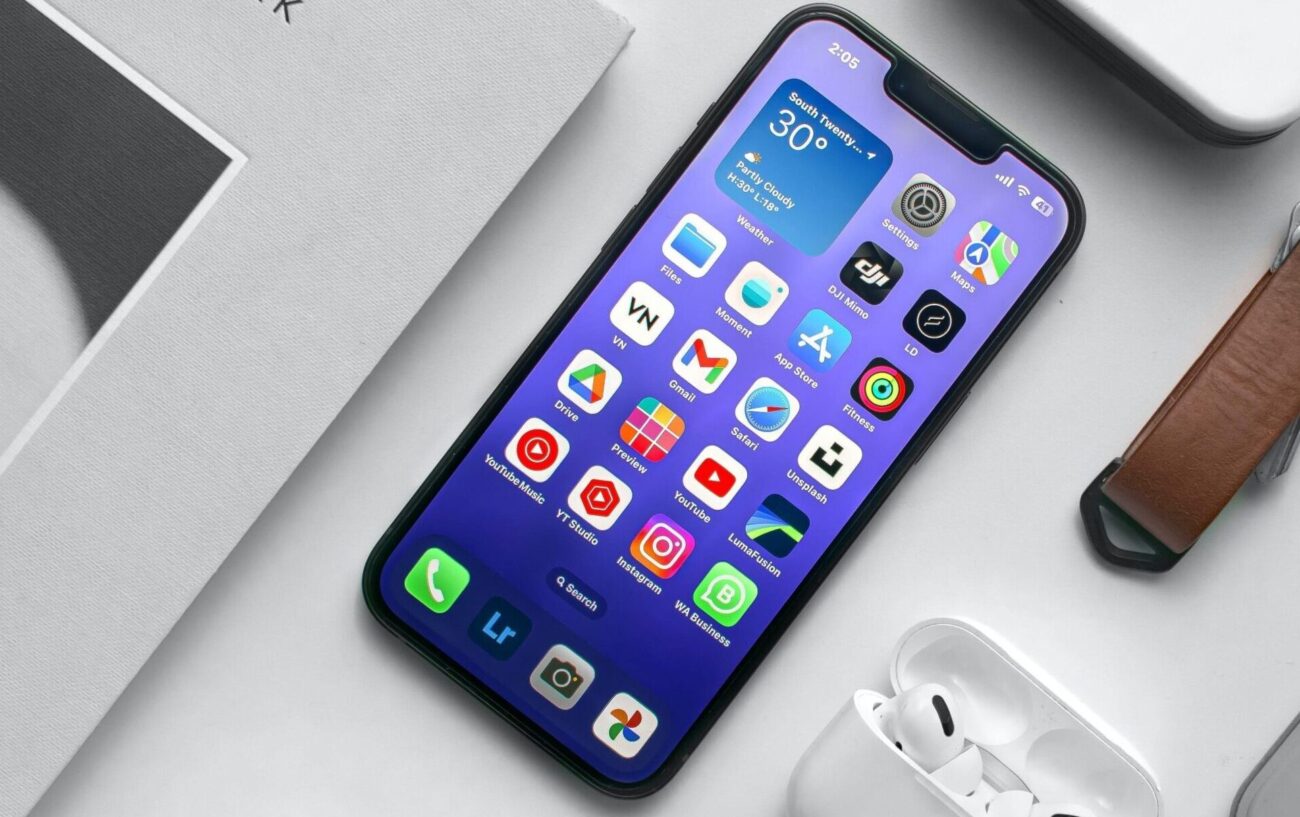
Best Smartphones to Buy in India: Complete Buying Guide
Buying a new smartphone can be confusing because there are hundreds of models available across different price ranges. Every phone comes with different processors, cameras, displays, batteries, storage options, and software features.
The most expensive smartphone is not always the best choice for everyone. The right phone depends on your budget, how you use your phone, the features you need, and the value you expect from your purchase.
In this guide, we’ll explain the most important things to consider before buying a smartphone and how to choose the right device for your needs.
What Should You Look for When Buying a Smartphone?
Before choosing a smartphone, consider these important factors:
- Price and budget
- Processor and performance
- RAM and storage
- Display quality
- Camera
- Battery life
- Charging speed
- Software and updates
- Build quality
- Connectivity
- Security features
- Overall value
Let’s look at each one.
1
Set Your Budget First
The first step is deciding how much you are comfortable spending.
Smartphones are available across a wide range of prices, from affordable entry-level models to premium flagship devices.
Instead of choosing a phone first and worrying about the price later, set your budget and then compare the best options within that range.
For example, you might consider:
Budget Smartphones
Suitable for:
- Calling
- Messaging
- Social media
- Browsing
- Streaming
- Basic photography
Mid-Range Smartphones
Usually suitable for:
- Everyday multitasking
- Gaming
- Photography
- Streaming
- Work and study
- Long-term everyday use
Premium Smartphones
Usually aimed at users who want:
- High-end performance
- Advanced cameras
- Premium displays
- Better materials
- Additional flagship features
The best price range is the one that gives you the features you actually need.
2
Choose the Right Processor
The processor is one of the most important components in a smartphone.
It affects how smoothly the phone handles applications, multitasking, gaming, photography processing, and other demanding tasks.
When comparing smartphones, don’t look only at the processor’s name.
Consider:
- Performance
- Power efficiency
- Gaming capability
- Thermal management
- Network support
- Age of the processor
A newer mid-range processor can sometimes be a better choice than an older high-end processor, depending on the phone and its overall implementation.
3
How Much RAM Do You Need?
RAM helps your smartphone handle multiple applications and tasks.
For normal everyday use, you don’t necessarily need the highest RAM configuration available.
Consider how you use your phone.
Light users
If you mainly use:
- YouTube
- Browsing
- Calling
a moderate RAM configuration may be sufficient.
Heavy users
If you regularly:
- Multitask
- Edit photos or videos
- Play demanding games
- Keep many applications open
you may benefit from a higher RAM configuration.
Don’t choose a phone solely because it has more RAM. The processor, software optimization, storage, and overall hardware also matter.
4
Storage: 128GB, 256GB or More?
Storage determines how much space you have for:
- Photos
- Videos
- Applications
- Games
- Documents
- Music
- Downloads
If you take lots of photos and videos or install many applications, choosing more storage can be worthwhile.
Consider 128GB if:
You mainly use cloud storage and don’t keep a large amount of media on your phone.
Consider 256GB or more if:
You frequently record videos, download large files, install games, or want to keep the phone for several years.
Also check whether the smartphone supports expandable storage. Many modern phones don’t, so choosing the right internal storage capacity becomes more important.
5
Display Quality Matters
The display is one of the parts of the phone you interact with most.
When comparing displays, look at:
- Screen size
- Resolution
- Panel technology
- Refresh rate
- Brightness
- Color reproduction
- Outdoor visibility
- Protection
A higher refresh rate can make scrolling and supported animations feel smoother.
However, display quality isn’t determined by refresh rate alone.
A good display should also offer comfortable viewing, good brightness, and suitable color reproduction.
6. Battery and Charging
Battery life depends on capacity, processor efficiency, display and software optimization.
If you use your phone heavily, prioritize good battery endurance and fast charging.
Also check whether the required charger is included with the phone.
7. Software and Updates
Check the operating system and software support before buying.
Long-term software and security updates are particularly important if you plan to keep your phone for several years.
Also consider the user interface and pre-installed applications.
8. Build Quality
Check the phone’s:
- Materials
- Weight
- Screen protection
- Water and dust resistance
- Overall construction
If you travel frequently or work outdoors, durability may be more important than design.
9. Connectivity
Make sure the phone supports the connectivity features you need, such as:
- 5G
- Wi-Fi
- Bluetooth
- GPS
- NFC
- USB connectivity
Also check compatibility with your mobile network.
10. Choose Based on Your Usage
For Students
Look for good battery life, reliable performance, a good display and reasonable pricing.
For Gamers
Prioritize processor performance, GPU capability, display refresh rate, cooling and battery life.
For Photography
Focus on camera sensors, image processing, stabilization and low-light performance.
For Work
Look for reliable performance, battery life, connectivity, storage and long-term software support.
For Everyday Use
A balanced combination of performance, camera, battery, display and software is usually the best choice.
Compare Prices Before Buying
Smartphone prices can vary between retailers and during sales.
Before purchasing, compare the current price, offers, availability, warranty and return policy from trusted retailers.
Check the retailer’s website for the latest price before completing your purchase.
Common Smartphone Buying Mistakes
Avoid these common mistakes:
- Choosing only by megapixel count
- Buying more RAM than you actually need
- Ignoring software updates
- Choosing insufficient storage
- Looking only at specifications
- Not checking real-world reviews
- Not comparing prices
Smartphone Buying Checklist
Before buying, check:
- Processor
- RAM
- Storage
- Display
- Camera
- Battery
- Charging
- Software support
- Connectivity
- Build quality
- Warranty
- Current price
Frequently Asked Questions
How much RAM do I need?
It depends on your usage. Everyday users generally don’t need the highest RAM configuration, while gamers and heavy multitaskers may benefit from more.
Is a higher megapixel camera better?
Not necessarily. Sensor quality, image processing, stabilization and software also affect camera performance.
Is 128GB storage enough?
For many users, yes. If you store lots of videos, photos or games, consider 256GB or more.
Should I buy a 5G phone?
If 5G connectivity and long-term network compatibility are important to you, a 5G model can be worth considering.
Final Verdict
The best smartphone isn’t necessarily the most expensive one. Choose a phone that provides the right balance of performance, camera quality, battery life, display, storage, software and price for your needs.
Before buying, compare different models and verify the latest price and specifications from the retailer.
Compare your options and choose the smartphone that offers the best value for your budget.


There was a small mistake in the order. In return, I got the correct order and I could keep the wrong one for myself. I ordered on Friday evening and on Monday at 12:30 the package was with me
I ordered on Friday evening and on Monday at 12:30 the package was with me. I have never encountered such a fast order processing.